When you create content, it’s important that everyone can view and understand it. It’s also vital that your content speaks to people from different backgrounds in order to engage with as wide an audience as possible.
Marketing content, especially website content, has the potential to be seen all over the world by different people with varied characteristics and life experiences.
Your target audience will want to see themselves and people like them represented in your content, and they will want to know that you understand their needs and thoughts. And it’s not just for themselves.
A consumer survey showed that 64% of people take action after seeing an advert they consider diverse or inclusive (source: Google).
Inclusivity and diversity aren’t just about making your marketing more effective. Making your content inclusive is the right thing to do. Everyone deserves to see themselves represented in advertising and marketing. And you can help make that happen.
Read on for how best to ensure that your content is as inclusive as it can be.
What is inclusive content?
Before we go into the ins and outs of making your content inclusive, we must first be sure of what we mean when we say “inclusive content.”
The Collins Dictionary defines inclusivity as: “the fact or policy of not excluding members or participants on the grounds of gender, race, class, sexuality, disability, etc.”
Content inclusivity, therefore, means creating content that can be used and accessed by as many people as possible. People can access the content regardless of their disabilities, sexuality, race, gender, or any other qualities.
Inclusive content can mean, but isn’t limited to, using straightforward language, providing the content in a variety of formats, including text and audio, and using images or graphics which are easy to understand.
Inclusive content isn’t about making a big statement or taking a stand on topics your brand wouldn’t usually get involved in. It’s about thinking about the content you’re creating and ensuring that everything you’re putting out serves a wide range of people.

Why should you create inclusive content?
Not only will creating inclusive content benefit your audience and, in a larger context, society as a whole, but it will also have advantages for your business or brand.
Accessibility is prioritised in inclusive content and ensures that people with disabilities are not excluded from essential or informational messages. You’ll also be helping to promote diversity by showcasing different cultures, races, genders, and sexualities.
Inclusive content caters to a diverse audience and has the potential to reach a wider audience than content that isn’t inclusive. This diverse audience will also feel more engaged and interested.
It wouldn’t be a Content Marketing Team blog if we didn’t mention SEO (Search Engine Optimisation). Search engines like Google can prioritise inclusive content, as it provides value to more of its users.
If you’re prioritising inclusive content, it can also demonstrate that you’re committed to promoting diversity, which can improve your public image and your reader’s trust in what you do.
How to create diverse and inclusive content
So now you know more about diverse and inclusive content and how it can benefit your business, but how do you go about creating it? Remember, your content should be authentic and meaningful rather than just a box-ticking exercise.
Here are some tips to help you to create diverse and inclusive content.
1. Utilise the people in your business
Do you have a diverse workforce? If you have a diverse team working on creating content ideas and signing off content, it can help amplify different voices and avoid issues that may be sensitive to certain communities.
No matter how diverse your content team are, you could invite wider members of your organisation and other stakeholders to look more closely at what you offer and make suggestions for improvement. Seeing content creation as a collaborative process allows you to draw on expertise from throughout the company.
2. Using inclusive language
Avoid using words or expressions that could be seen as discriminatory against a group of people because of their race, gender, or background. You should write impartially so as not to create barriers.
Gender-neutral pronouns like “they” and “them” might be better employed as well as people-first language rather than condition-first. For example, describing some as a “person who has autism” rather than an “autistic person.”
To ensure that a range of people from different educational backgrounds can access your content, keep your words clear, consistent, and concise. Your content should be easy to read and understand.
3. Keep content accessible
Part of inclusivity is accessibility. After all, you can’t be inclusive if some of your audience cannot access your content. Making your web content accessible should always be a priority.
Ensure screen readers can interact with your content, remember to add good alt text to your images to describe them effectively, and check that the text on your website is readable.
4. Assess bias in your imagery
Take a look at the images you’re using in your content. Are they a fair representation of different genders, races, ages, and abilities? If not, you may want to switch this up to ensure you show a range of people in your imagery.
You should add this to your processes document to be looked at every time a piece of content is produced so that it’s always considered.
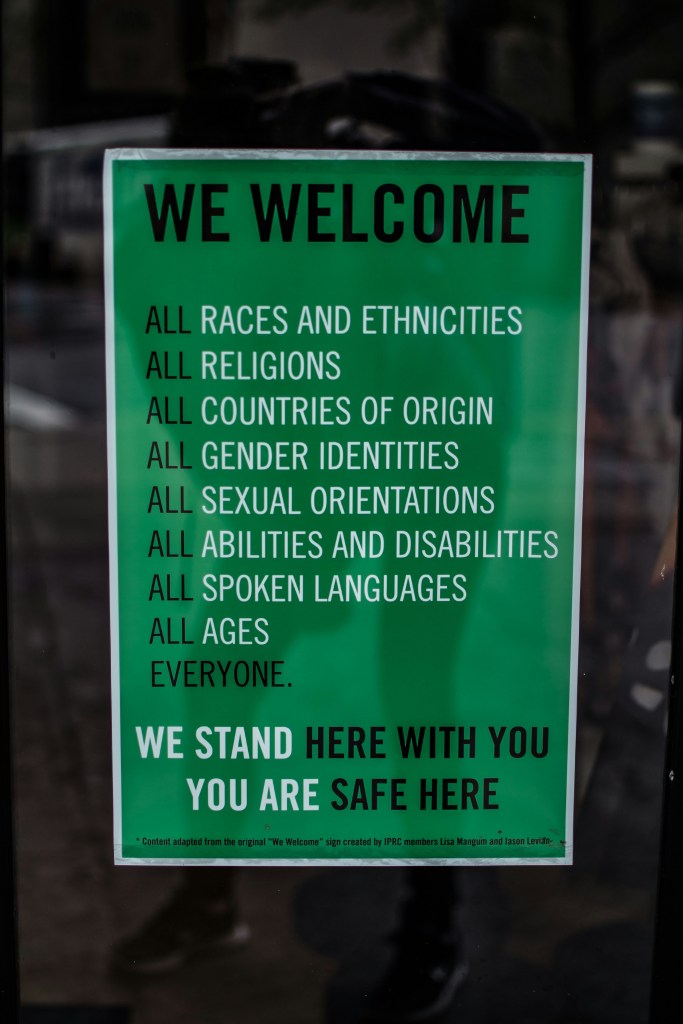
5. Keep up to date with inclusivity
As the world around us continues to change, so does inclusivity and the language we use. Be sure to keep up to date by doing research every so often. You can also update your evergreen content with any changes.
If you have a large team working on content creation, you need to make sure everyone is on the same page. Create a clear document detailing the guidelines for exclusivity in content creation that everyone can work from.
6. Showcase a diverse range of voices
Sharing stories, testimonials, and opinions from different groups of people is one of the best ways to create diverse and inclusive content. Sharing and amplifying these voices can help build trust with your audience and increase your reach.
Take a look at your influencer collaborations and partnerships. Are you only working with young, white male influencers? If so, a re-evaluation of this might well pay dividends for your brand.